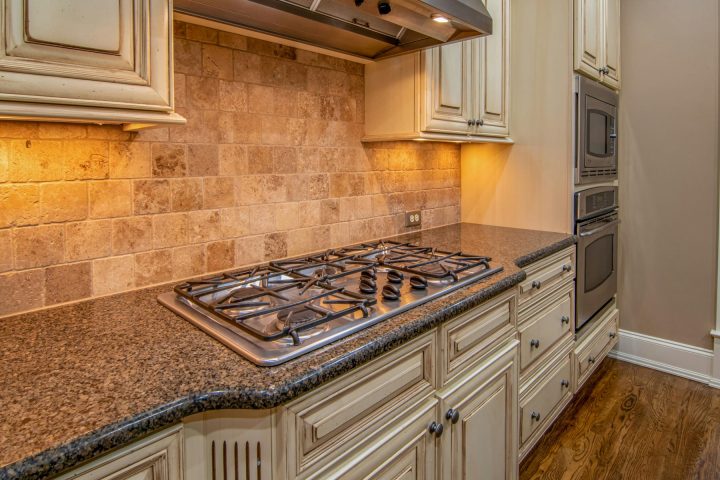
Stone countertops represent a significant investment in any home or business. While granite, marble, and quartz surfaces offer natural beauty and durability, they’re not indestructible. Without proper protection, these surfaces face damage from heat, scratches, stains, and everyday use that can permanently mar their appearance and reduce their lifespan.
The reality is that most stone countertops are porous to varying degrees. This means they absorb liquids, oils, and chemicals that penetrate the surface and cause discoloration or etching. Even engineered stone products, while less porous than natural stone, remain vulnerable to certain types of damage. Many homeowners discover these vulnerabilities only after permanent damage occurs, leading to expensive repairs or replacement.
Protective vinyl wraps designed specifically for countertops provide a barrier against these common threats. Unlike temporary solutions like cutting boards or trivets, a professionally installed protective layer covers the entire surface, defending against multiple damage sources simultaneously while maintaining the stone’s appearance.
Heat Damage Destroys Stone Surfaces
Thermal Shock and Cracking
Stone countertops react poorly to sudden temperature changes. Placing a hot pan directly on a cold granite surface can cause thermal shock, leading to cracks that spread across the countertop. These cracks often start small but expand over time, especially in high-use areas near stoves and ovens.
Marble is particularly susceptible to heat damage. The calcium carbonate composition breaks down when exposed to high temperatures, leaving discolored spots that can’t be polished away. Even heat-resistant stones like granite show damage when exposed to temperatures above 300 degrees repeatedly.
Permanent Discoloration
Heat doesn’t always crack stone—sometimes it simply changes the color. Dark scorch marks appear around areas where hot cookware sits frequently. These marks penetrate deep into the stone structure, making removal impossible without professional resurfacing that grinds away the damaged layer.
Scratches Accumulate From Daily Kitchen Use
Knife Marks and Surface Abrasions
Every time someone cuts directly on stone without a cutting board, metal blades leave microscopic scratches. Over months and years, these small marks multiply and create a dull, worn appearance. The surface loses its polished finish and develops a hazy look that no amount of cleaning can restore.
Food preparation activities create the majority of countertop scratches. Dragging heavy pots, sliding appliances, and even abrasive cleaners contribute to surface wear that dulls the stone’s natural luster.
Deep Gouges From Impact
Dropped knives, falling cans, and accidental impacts chip stone surfaces. Unlike scratches, these gouges remove chunks of material, leaving visible divots that collect debris and bacteria. Repairing these requires professional help and often results in patches that don’t match the surrounding stone perfectly.
Staining Ruins Stone’s Appearance
Common liquids cause permanent stains on unprotected stone. Coffee, wine, oil, and acidic foods soak into porous surfaces within minutes. Once absorbed, these substances create discoloration that ranges from light shadows to dark blotches.
Different stones react to different staining agents:
- Marble stains easily from acidic substances like lemon juice, tomato sauce, and vinegar
- Granite absorbs oils from cooking, leaving dark spots around prep areas
- Limestone shows water marks and mineral deposits that build up over time
- Quartzite develops rust stains when metal objects sit on wet surfaces
Even sealed stone countertops require resealing every one to three years. Between sealings, the protection weakens and stains penetrate more easily. Many homeowners forget to reseal, leaving their countertops vulnerable for extended periods.
Chemical Etching Eats Away at Stone
Acidic Damage
Acids don’t just stain—they chemically react with stone, especially calcium-based varieties like marble and limestone. This reaction eats away at the surface, creating dull spots called etching. The damage happens quickly, sometimes within seconds of contact.
Common household items that cause etching include cleaning products, fruit juices, sodas, and wine. Even seemingly harmless substances like hand soap or dish detergent contain ingredients that slowly degrade stone surfaces over time.
Alkaline Corrosion
Strong alkaline cleaners damage stone just as acids do. Drain cleaners, oven cleaners, and some all-purpose cleaners leave permanent marks. These products strip away sealers and attack the stone itself, creating rough patches that feel different to the touch.
Daily Wear Patterns Emerge Over Time
High-traffic areas near sinks and stoves show wear faster than other sections. The constant exposure to water, soap, food particles, and cleaning products breaks down both the sealer and the stone surface. These zones develop a different texture and appearance compared to less-used areas.
The cumulative effect of daily use surprises most countertop owners. What starts as barely noticeable wear becomes obvious over several years, creating an uneven, aged appearance that reduces the kitchen’s overall appeal and value.
Prevention Costs Less Than Restoration
Stone countertop restoration requires professional equipment and expertise. Grinding down the damaged surface, repolishing, and resealing costs hundreds to thousands of dollars depending on the countertop size and damage severity. Complex repairs may take several days, leaving the kitchen unusable during the process.
Replacement costs even more. New stone countertops run $50 to $200 per square foot installed, making full replacement a major expense. Protective measures that prevent damage cost a fraction of restoration or replacement prices.
Protective Solutions Offer Long-Term Defense
Several protection options exist for stone countertops:
- Vinyl protective wraps provide complete surface coverage and resist heat, scratches, and stains
- Traditional sealers require regular reapplication and offer limited protection
- Epoxy coatings change the surface appearance and feel
- Daily maintenance routines reduce but don’t eliminate damage risks
Professional protective vinyl installation offers advantages over other methods. The material bonds to the stone surface, creating a barrier that handles daily use while remaining nearly invisible. Unlike sealers that wear off, quality vinyl protection maintains its defensive properties for years.
Maintain Your Investment With Professional Protection
Monumental Workx installs protective vinyl wraps on stone countertops throughout San Diego, offering the same precision and quality they bring to automotive vinyl installations. This protection defends against heat, scratches, stains, and chemical damage while preserving your countertop’s appearance.
Stone countertops don’t have to show wear from normal use. Protection installed early prevents the gradual damage that accumulates over years of cooking, cleaning, and living. The choice between prevention and eventual restoration is clear—protecting stone surfaces now saves money and maintains the beauty that made you choose stone countertops originally.